Elliðaárstöð wins Place of the year at the Icelandic Design Awards 2025
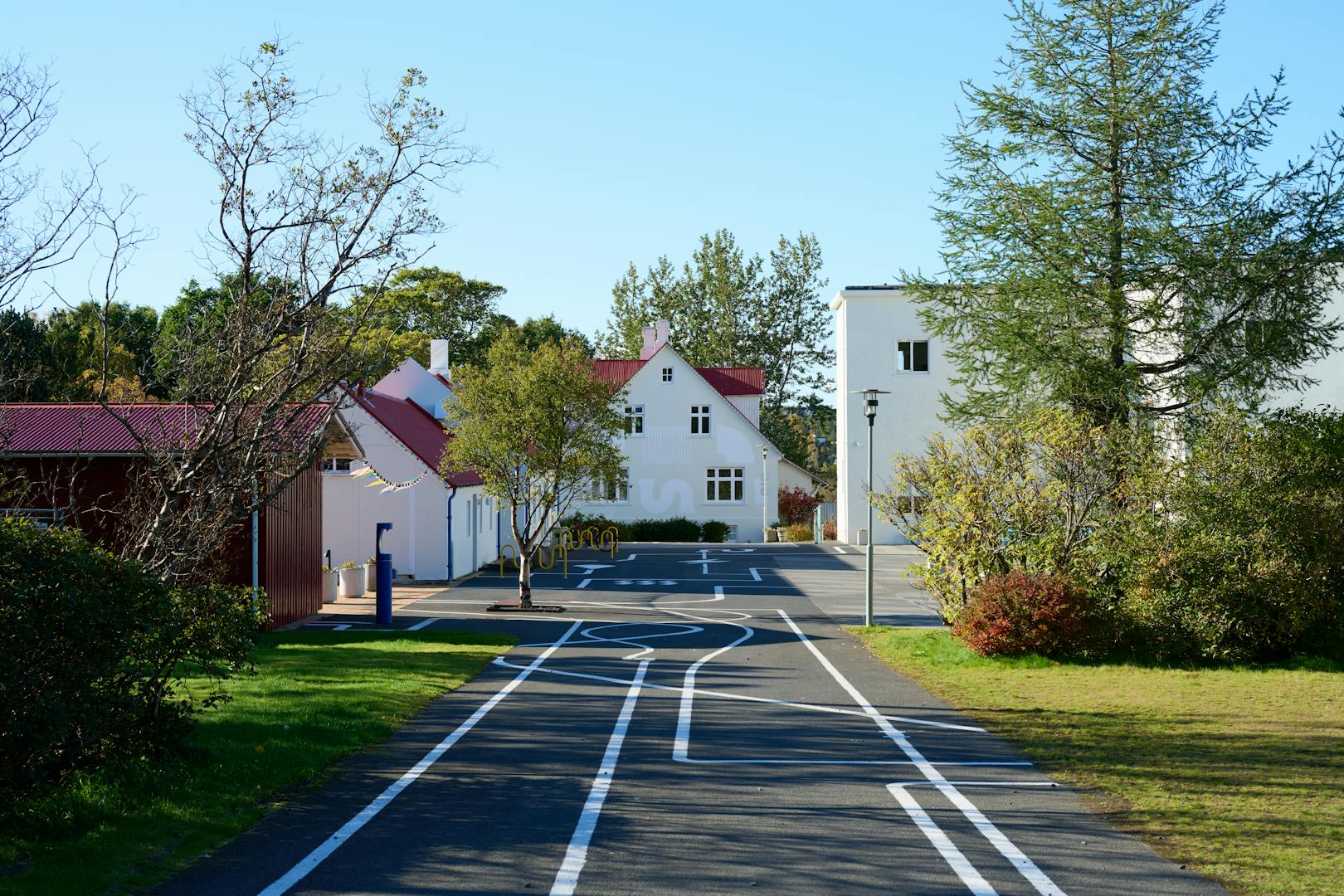
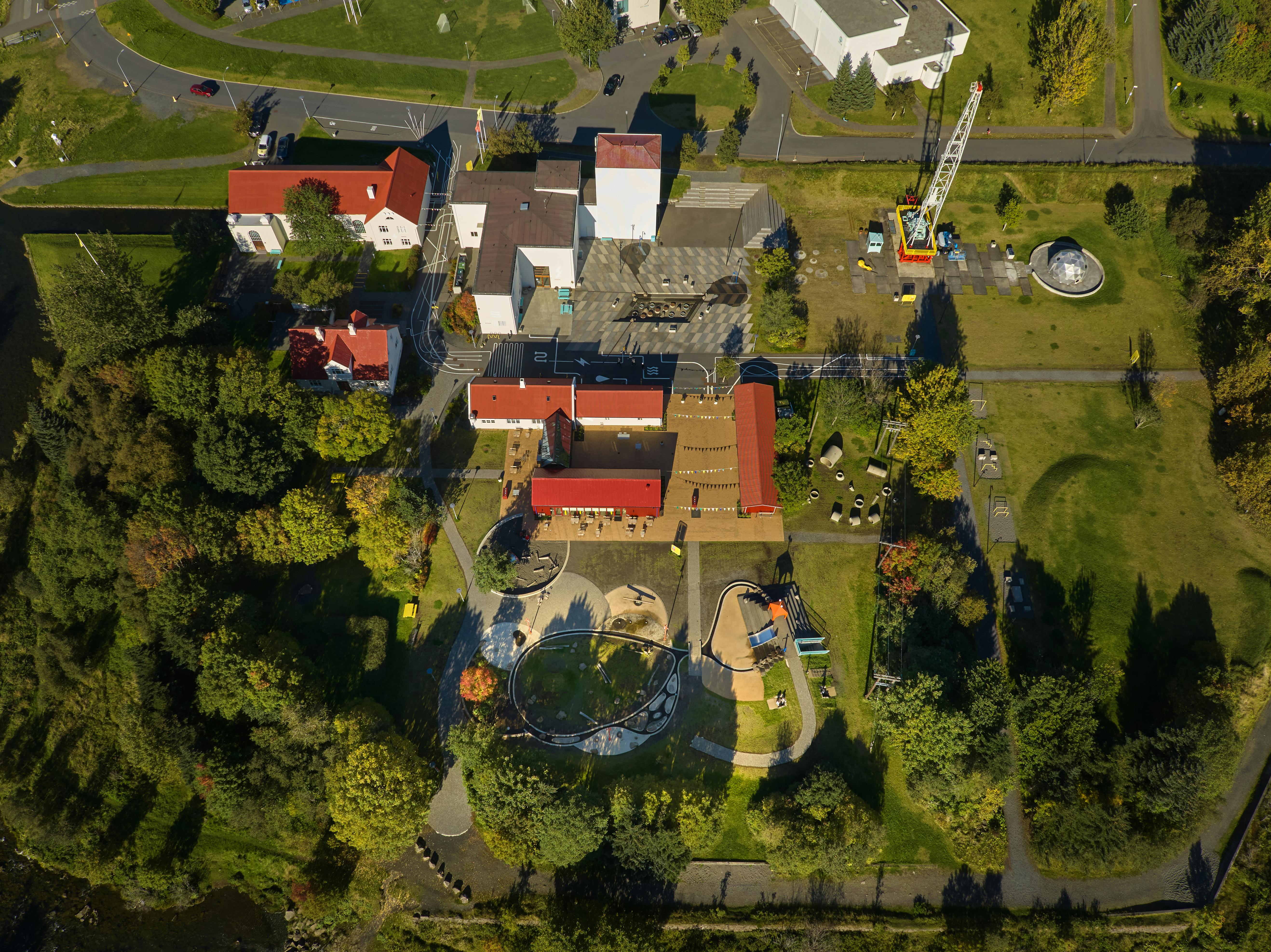
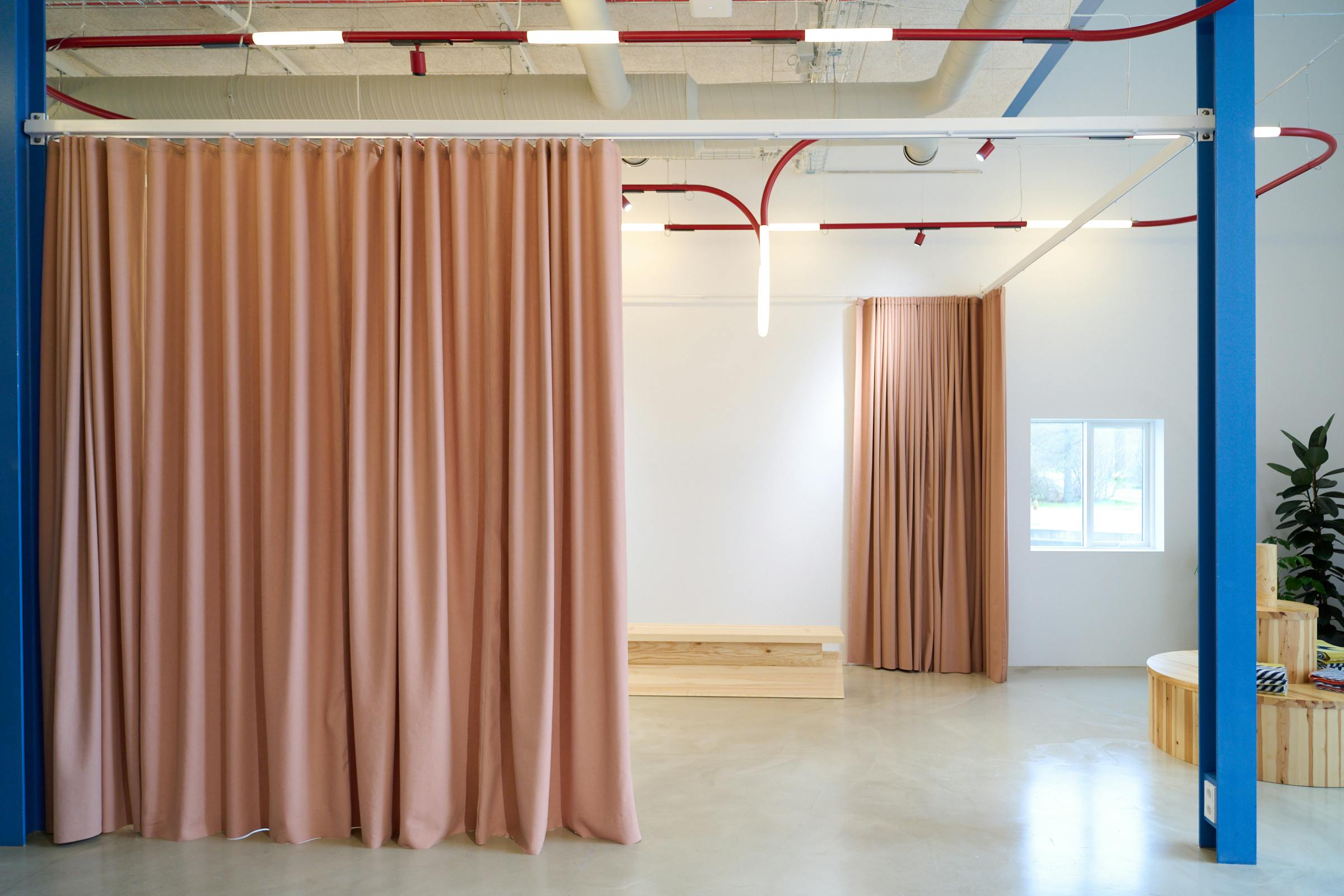
Elliðaárstöð is a new destination in Elliðaárdalur, offering a variety of spaces and experiences designed by the multidisciplinary design studio Terta in collaboration with Landslag.
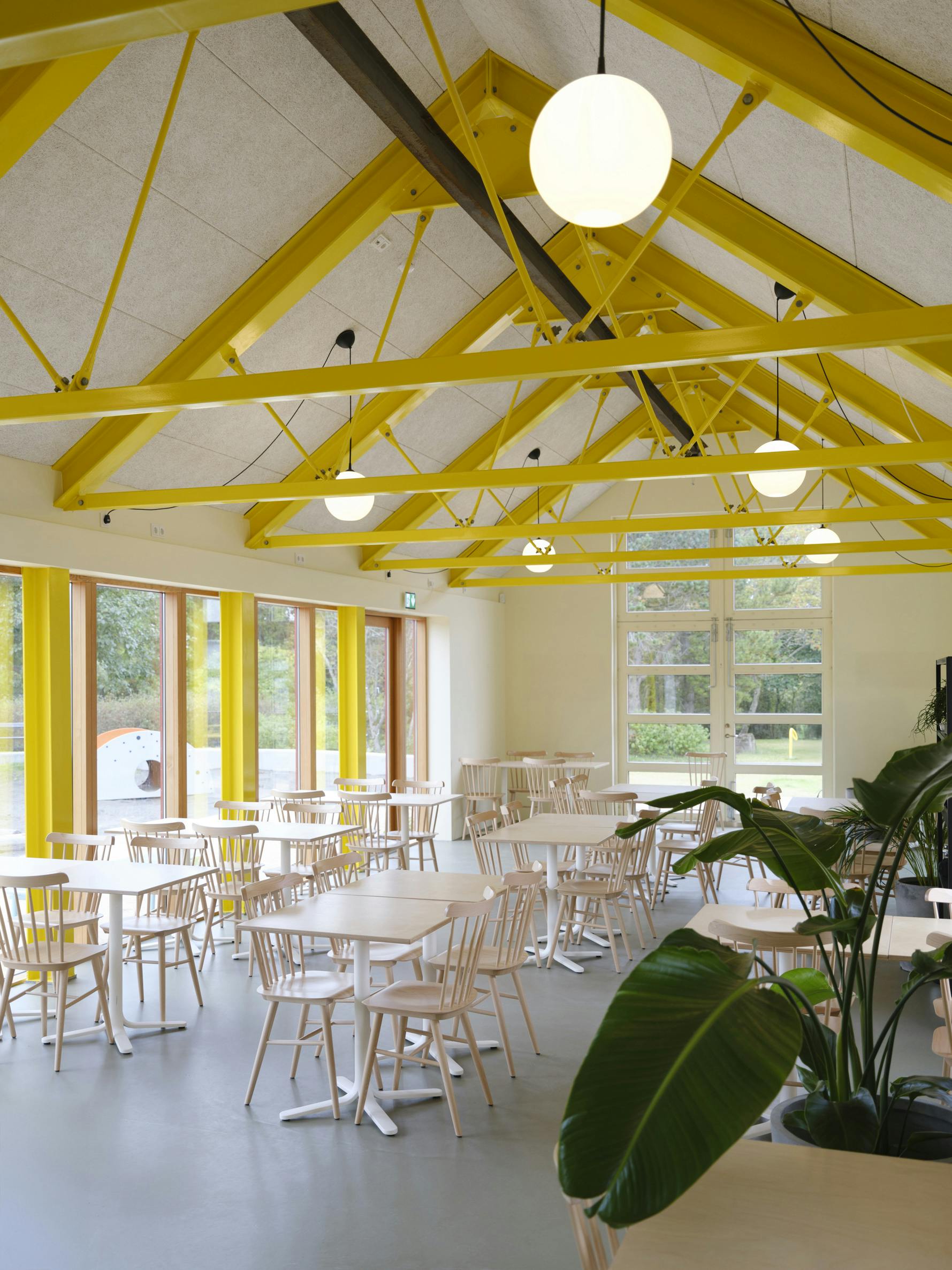
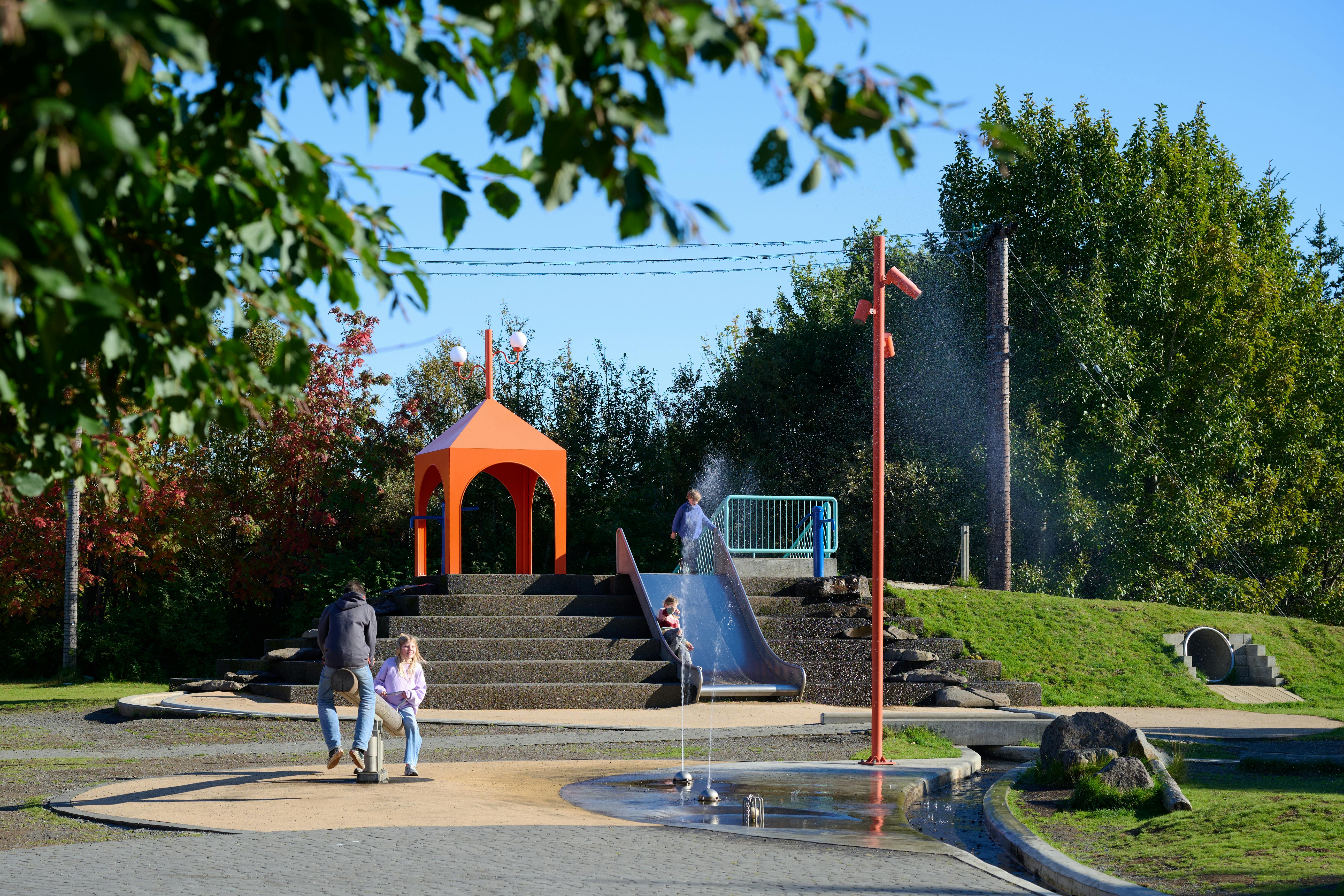
Redesigned for Orkuveita Reykjavíkur, Elliðaárstöð has been transformed into an inviting public destination featuring communal areas, a visitor center, and a restaurant. Once a closed-off industrial site, the area now thrives with life throughout the year. The redesign breathes new life into existing buildings, giving them renewed purpose and character. The outdoor area weaves seamlessly together with the activities on site, featuring a unique playground, event spaces, walking paths, and installations.
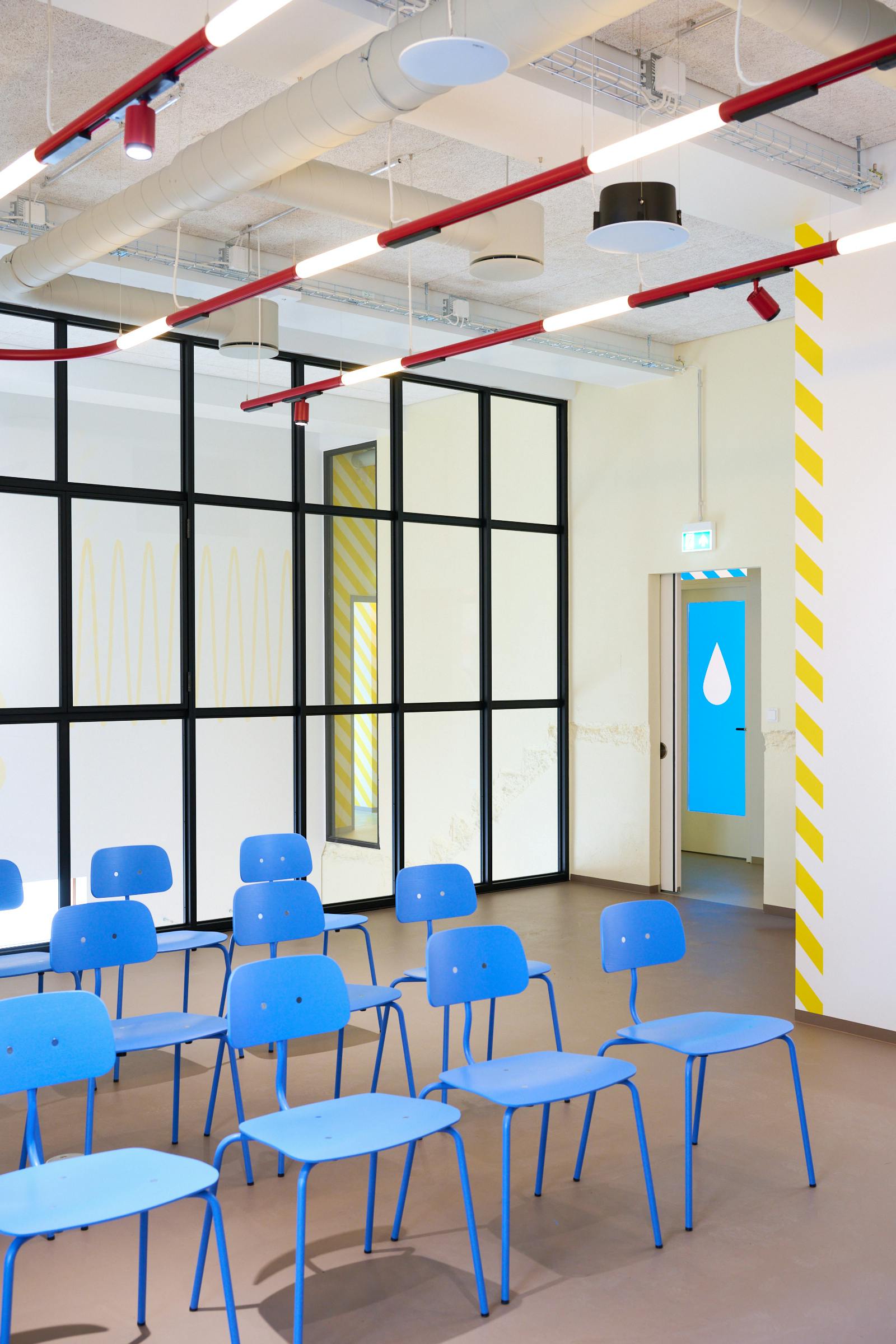
The design centres on learning, togetherness, outdoor activity, and play. Visitors can explore the history of the site, the power of nature, and Reykjavík’s utility systems, both indoors and out. Elliðaárstöð invites people to linger, play, relax, meet friends, or attend events, and it regularly welcomes school groups. Terta had to balance these diverse needs while collaborating with multiple partners. Design Thinking, attentive to both the broader context and the smallest details, shines through every aspect of the project.
The design of Elliðaárstöð does not seek to hide humanity’s presence or use of natural resources, but instead to celebrate a balanced coexistence between people and nature, an approach rooted in attentive listening to the site itself.
Original materials and structures were preserved, exposed, and repurposed wherever possible. Old walls remain visible, while reclaimed materials were integrated into new surfaces and floors. Reclaimed materials were reused in new floors and surface finishes, and the history of the houses was made legible, particularly where pipes within walls and beneath walkways are now revealed.
The Elliðaárdalur Power Station was commissioned in 1921 and transformed the quality of life in Reykjavík. The power station building, a remarkably beautiful structure inspired by Nordic power plant architecture, was designed by engineers Jón Þorláksson, Guðmundur Hlíðdal, and Aage Broagers-Christensen. The substation, added in 1930, was designed by architect Sigurður Guðmundsson.
The revitalization of Elliðaárstöð has been remarkably successful, bringing the area to life while educating visitors and preserving its cultural and historical value. The site’s layered story is revealed with care, precision, and a sense of play. What was once a disused industrial zone has now become a lively hub for culture, education, innovation, art, play, and sport. Today, Elliðaárstöð stands as a nourishing place that fills visitors with both joy and energy.
The Terta, design studio consists of Ármann Agnarsson, graphic designer, Brynhildur Pálsdóttir, product designer, and architects Eva Huld Friðriksdóttir and Magnea Guðmundsdóttir from the architecture studio Stika. Terta’s project consultants include Landslag, Hnit Engineering, Ljósark, Liska, and the Cultural Heritage Agency. In addition, Terta collaborates with Birta Fróðadóttir, architect, Kristín María Sigþórsdóttir, product designer, Helgi Páll Melsted, graphic designer, and Atli Bollason, artist.
The award ceremony took place for the 12th time on November 6th in Gróska, in the presence of a large crowd who celebrated outstanding design.
The Icelandic Design Award honours the best Icelandic design and architecture annually. The importance of design in society, culture and business has been growing steadily, and it is therefore vital to increase the understanding of good design and highlight the value of quality.
The Icelandic Design Awards were established by Iceland Design and Architecture in collaboration with the Iceland University of the Arts and Museum of Design and Applied Art, with support from Business Iceland, Housing and Construction Authorities, UI Science Park, Gróska - innovation and business growth center and the Blue Lagoon.